
What Is Considered an Antique?
An item is considered antique when it is:
- 100 years old or more
- Typically made before the mid-1920s
- Often handcrafted or produced in very limited quantities
- Made using older materials and techniques
Antiques usually show age through patina, wear, or construction details that differ from later production methods. These signs of age are not flaws — they are part of what gives antiques their historical and collectible value.
What Does Vintage Mean?
A vintage item is generally:
- 20 to 99 years old
- Made during a recognizable design era (Art Deco, Mid-Century, 1960s–1980s, etc.)
- High quality, but newer than antiques
- Often still practical for everyday use
Vintage items are popular because they combine character, craftsmanship, and usability. Many pieces were made with better materials than what is commonly found in modern mass-produced goods.
Why Vintage and Antique Are Often Confused
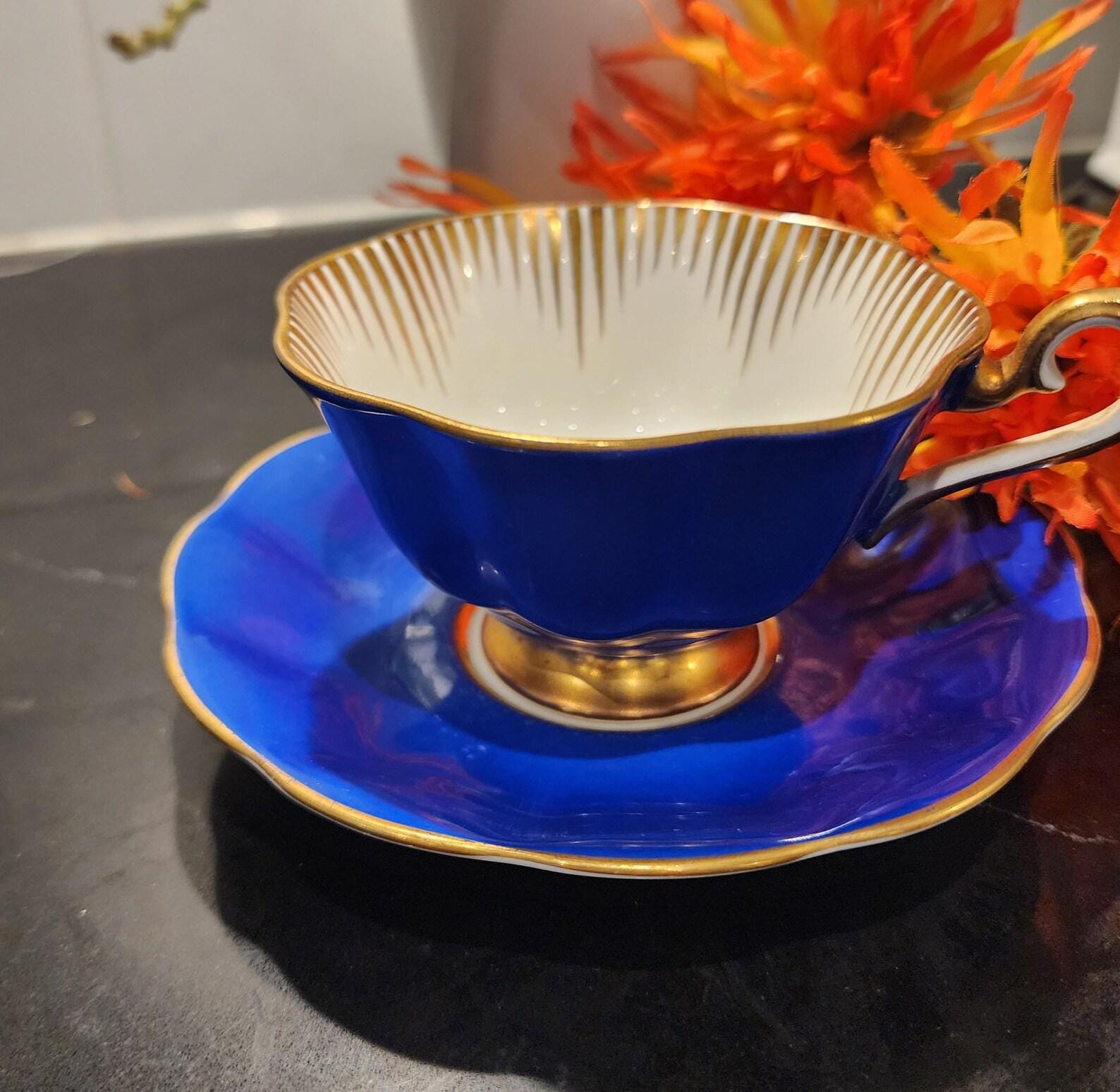
Many items are labeled “antique” simply because they look old. This is especially common with china, glassware, and decorative pieces. For example, the teacup shown here is vintage, not antique. Pieces like this are often mistaken for antique due to their style, gold trim, and quality — but they were typically produced in the mid-20th century, not over 100 years ago. Understanding this difference matters because age directly affects value, care, and pricing.
How I Determine Whether Something Is Vintage or Antique
When I’m identifying a piece, I look at:
- Maker’s marks or backstamps
- Materials and manufacturing methods
- Design style and era indicators
- Wear patterns consistent with age
- Comparable documented examples
Sometimes an exact year isn’t possible to determine. When that happens, I clearly state an estimated era rather than guessing. Honest descriptions are essential in vintage and antique selling.
Why Knowing the Difference Helps You Buy Smarter
Understanding whether an item is vintage or antique helps you:
- Know what you’re paying for
- Understand how to care for the piece
- Avoid overpaying for misidentified items
- Choose pieces that fit your lifestyle and collection goals
Both vintage and antique items have value — they just serve different purposes.
Final Thoughts
Not everything old is antique, and that’s okay. Vintage pieces offer beauty, quality, and history in a way that’s often more accessible and usable for everyday homes. Knowing the difference allows you to appreciate each piece for what it truly is — and that’s where the real value lies.